

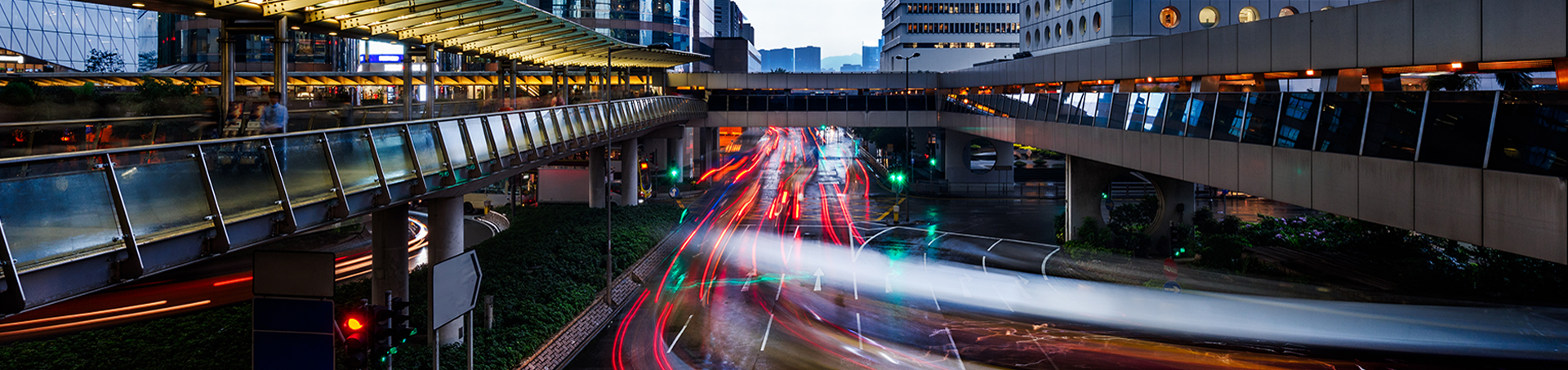
As a "creator of light environments" for urban construction, the lighting industry has always kept pace with the times. Driven by policy guidance, technological innovation and market demand, it is undergoing a profound transformation from "functional lighting" to "value creation". 2026 marks the start of the 15th Five-Year Plan period. With the deep advancement of the national "Dual Carbon" strategy and the deep integration of technologies such as AI and the Internet of Things, the lighting industry embraces new development opportunities toward greening, intelligence and healthification. CHINOTECH has been deeply engaged in the industry for many years, keeps a close eye on industry trends, and interprets the core highlights and future directions of the current lighting industry for you.

1.Coordinated Policy Efforts Charting a Course for High-Quality Industry Development
In 2026, national macro policies have established a comprehensive support system for the lighting industry, forming four major orientations: "green and low-carbon development, digital transformation, standard leadership, and market expansion". This drives the industry to bid farewell to low-end and mid-end price competition and move toward a sound development track.At the top-level design level, requirements such as "developing new-quality productive forces" and "deepening and expanding the Artificial Intelligence Plus initiative" put forward at the Central Economic Work Conference have pointed out the direction for the innovative development of the lighting industry. The newly revised Anti-Unfair Competition Law of the People's Republic of China effectively curbs low-price dumping and guides enterprises to focus on technological and quality improvement.
Policies in the green and low-carbon sector continue to strengthen. The State Administration for Market Regulation recently officially issued the mandatory national standard Minimum Allowable Values of Energy Efficiency and Energy Efficiency Grades for LED Products for Indoor Lighting (GB 30255—2026), which expands product coverage, raises energy efficiency indicators, adds standby power consumption restrictions, and promotes lighting energy conservation from "operational energy efficiency" to "full-time energy efficiency". The standard will come into force on September 1, 2027.Meanwhile, multiple mandatory standards such as Minimum Allowable Values of Energy Efficiency and Energy Efficiency Grades for LED Luminaires for Road and Tunnel Lighting have been implemented, working in coordination with energy management contract policies to accelerate the elimination of outdated production capacity and lay the foundation for the popularization of energy-efficient lighting products and services.
At the local level, more than 30 provinces across China have introduced special policies for energy management contracts, stimulating market vitality through financial subsidies, tax reductions and exemptions, and the establishment of trading platforms. Some provinces offer financial subsidies of up to 5 million yuan for eligible projects, promoting the large-scale application of energy-efficient lighting in public lighting, commercial lighting and other fields.In addition, policies for the construction of new-type urban infrastructure and urban renewal have also expanded broad market space for stock replacement and incremental growth in the lighting industry.
2.Iterative Technological Innovation Reshaping Core Competitiveness of the Lighting Industry
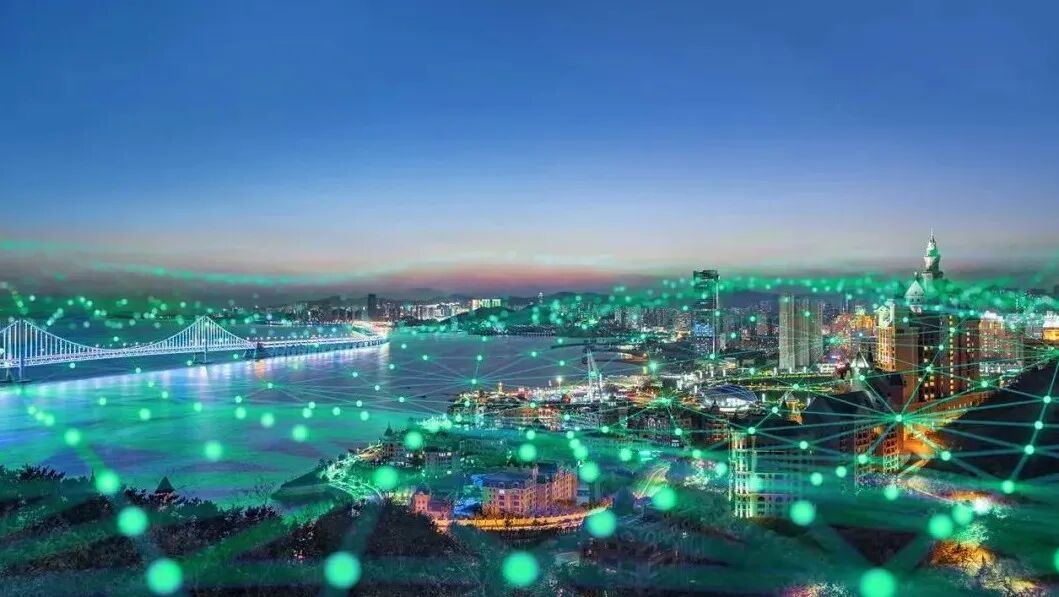
In 2026, technological innovation in the lighting industry has entered a stage of "deep integration". Technologies such as AI, the Internet of Things and sensors are becoming increasingly integrated with lighting products, driving the industry to transform from "single-point intelligence" to "full-scenario adaptive linkage". It is predicted that China's smart lighting market scale will reach 51.2 billion yuan this year, with technological innovation becoming the core competitiveness of enterprises.
In the field of smart lighting, the in-depth application of AI has evolved lighting from a "passively controlled" device to a spatial partner that "actively adapts". By integrating advanced control technologies and sensing equipment, smart lighting systems enable precise regulation of lighting environments and efficient energy use. For example, luminaires equipped with cluster AI algorithms can dynamically adjust lighting strategies based on the flow of people and vehicles, achieving a comprehensive energy saving rate of up to 80%. Meanwhile, the application of new communication protocols such as PLC Pro solves the pain points of unstable connection and complex operation in traditional smart lighting. It requires no extra wiring, greatly improves anti-interference capability, and lowers the threshold for lighting upgrades in existing buildings.
Healthy lighting has emerged as a new growth engine of the industry. The industry focus has shifted from visual comfort to non-visual physiological effects. Human-centric lighting, which regulates human emotions and improves sleep quality through specific spectra, is gradually gaining popularity.For instance, in campus scenarios, healthy lighting products compliant with the Intelligent Specification for Classroom Lighting are equipped with blue-light-free LED light source chips, effectively protecting the eyesight of teachers and students, and have been deployed in many schools across China. Customized lighting solutions aligned with human physiological rhythms have also been launched for hospitals, offices and other scenarios.
Furthermore, the iterative upgrading of the standard system provides standardized support for technological innovation. At present, the industry has formed a complementary pattern of "national standards + industrial standards + group standards", covering the entire industrial chain including green and low-carbon, healthy lighting and smart lighting. China also takes an active part in formulating international standards, enhancing the international voice of Chinese lighting products and removing barriers for enterprises to expand overseas.
3.Expanded Scenario Application Lighting Empowering High-Quality Development in Multiple Sectors
With technological maturity and policy promotion, the application scenarios of the lighting industry are expanding from traditional household and commercial fields to campuses, rail transit, data centers, industry and other sectors, forming a development pattern of "full-scenario coverage" and becoming an important carrier empowering the digital and green transformation of various industries.
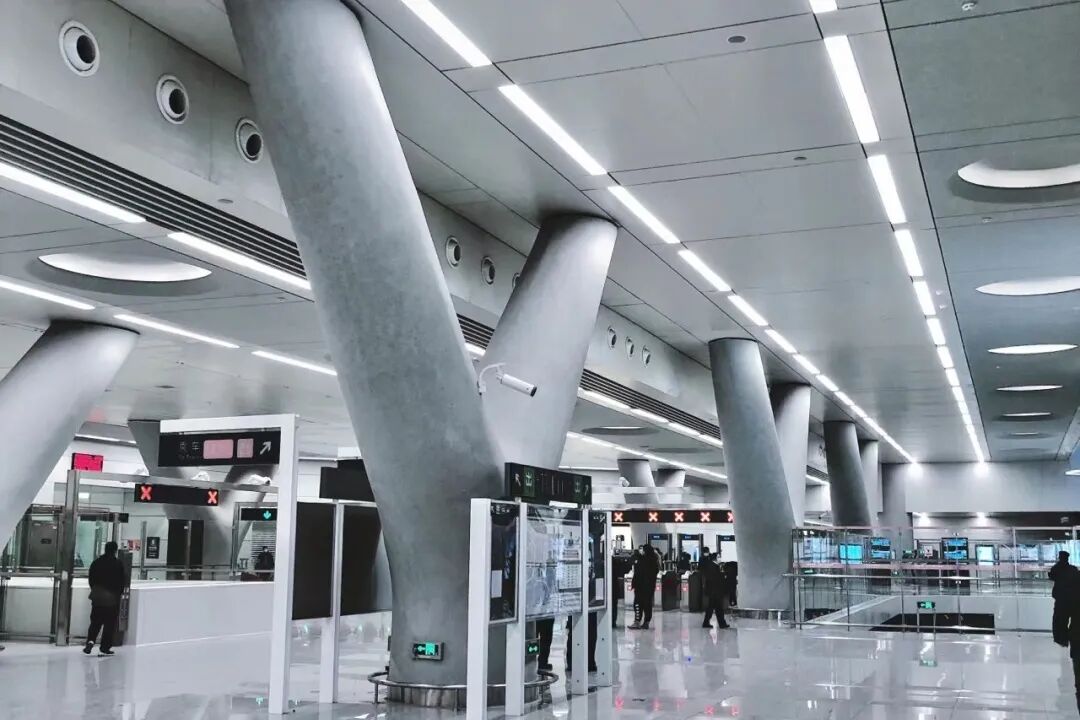
In public transportation, lighting demands in subways, expressways and other scenarios are becoming more refined. In projects such as Nanjing Metro Line 9, smart lighting systems not only meet station lighting needs but also integrate with BAS, ISCS and other systems.Through DALI dimming controllers, IP65-rated outdoor illuminance sensors and other equipment, lighting effects and operational efficiency are guaranteed. In data center scenarios, projects such as the China Telecom Tianyi Cloud Central-South Digital Industrial Park adopt smart lighting systems to realize automatic control of "lights on when people arrive, lights off when people leave", adapting to the special installation environment and energy-saving requirements of data centers.
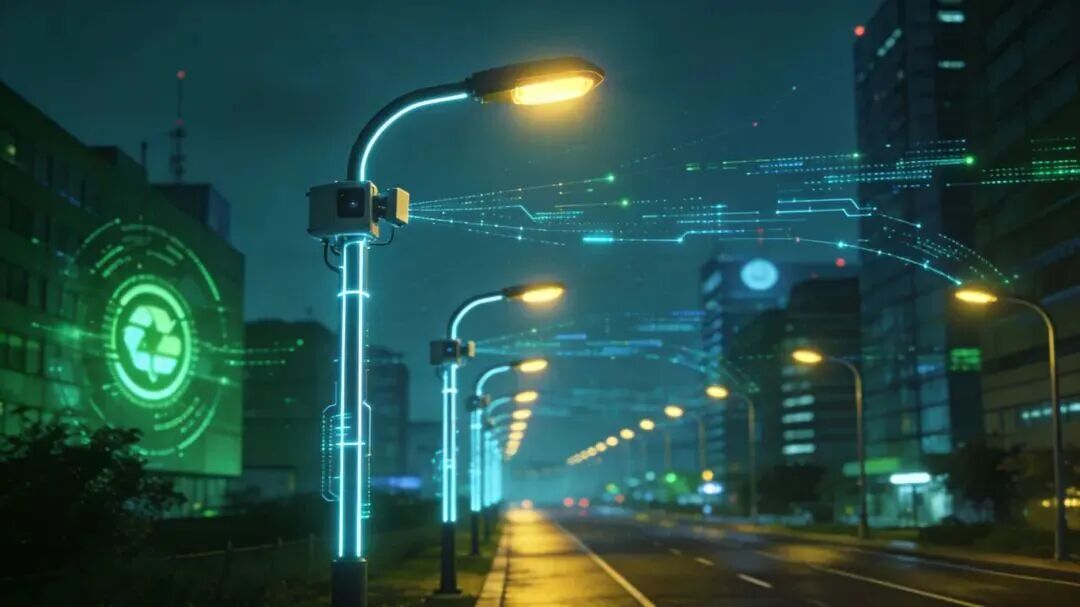
Customized demands in campuses, industrial sites and other scenarios continue to rise. Projects such as Sichuan University of Arts and Science optimize networking by deploying gateway equipment, realizing unified management of lighting across two campuses and addressing the difficulty of wiring in campus environments. Industrial scenarios focus on solving lighting energy conservation in high-energy-consuming workshops, launching highly adaptable smart lighting solutions. Meanwhile, as a key carrier of smart city construction, smart multi-function poles promote the implementation of the "multi-pole integration, vehicle-road-cloud collaboration" model, further expanding the market space of the lighting industry.
4.Industry Development Outlook: Light as a Medium to Build a Green and Intelligent Future Together
In 2026, the lighting industry is at a critical juncture of transformation and development. Green and low-carbon development has become the cornerstone of industry access, intelligence and healthification have become core development directions, and scenario-based customization has become the key to market competition.For enterprises, only by keeping up with policy orientations, focusing on technological innovation and deeply cultivating segmented scenarios can they seize opportunities amid industry changes.
Adhering to the philosophy of "Quality First, Innovation-Driven", Guangzhou Shenglong Technology closely follows industrial policies and technological trends, deeply roots in the lighting sector, and focuses on the R&D and application of green, energy-saving and smart lighting products.It is committed to providing customized lighting solutions for campuses, commerce, public transportation, industry and other fields. With high-quality products and professional services, it supports the high-quality development of the industry, empowers urban upgrading with light and shadow, and jointly builds a bright future of green intelligence.
In the future, with the in-depth advancement of the 15th Five-Year Plan, the lighting industry will continue to deepen technological integration and scenario expansion, and keep transforming from a "lighting tool" to a "value creation carrier".Guangzhou Shenglong Technology will continue to refine its operations, constantly iterate its products and services, and join hands with industry peers to write a new chapter of high-quality development for the lighting industry.

Copyright © 2026 CHINOLITE All Rights Reserved.




 Back
Back